
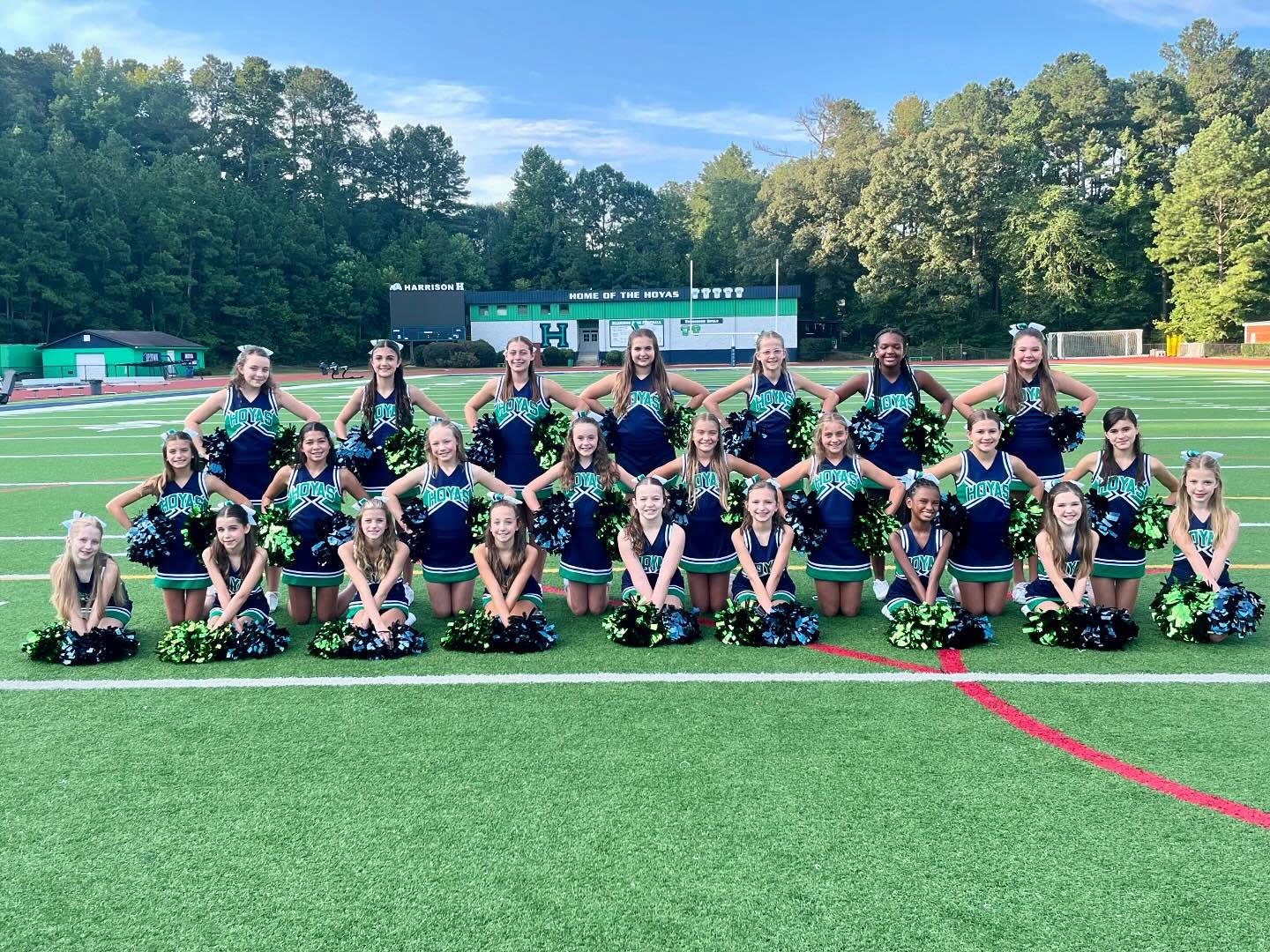
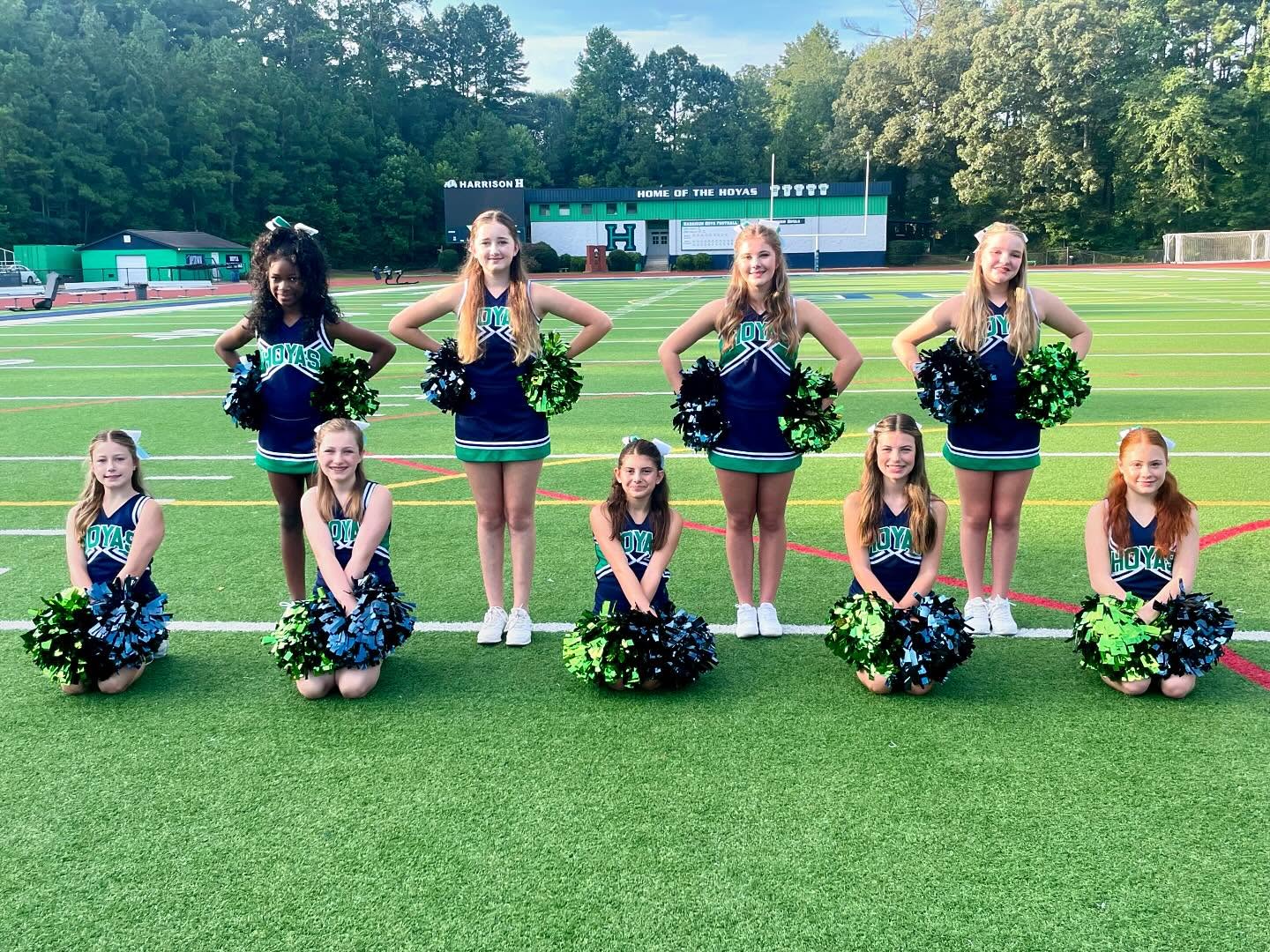
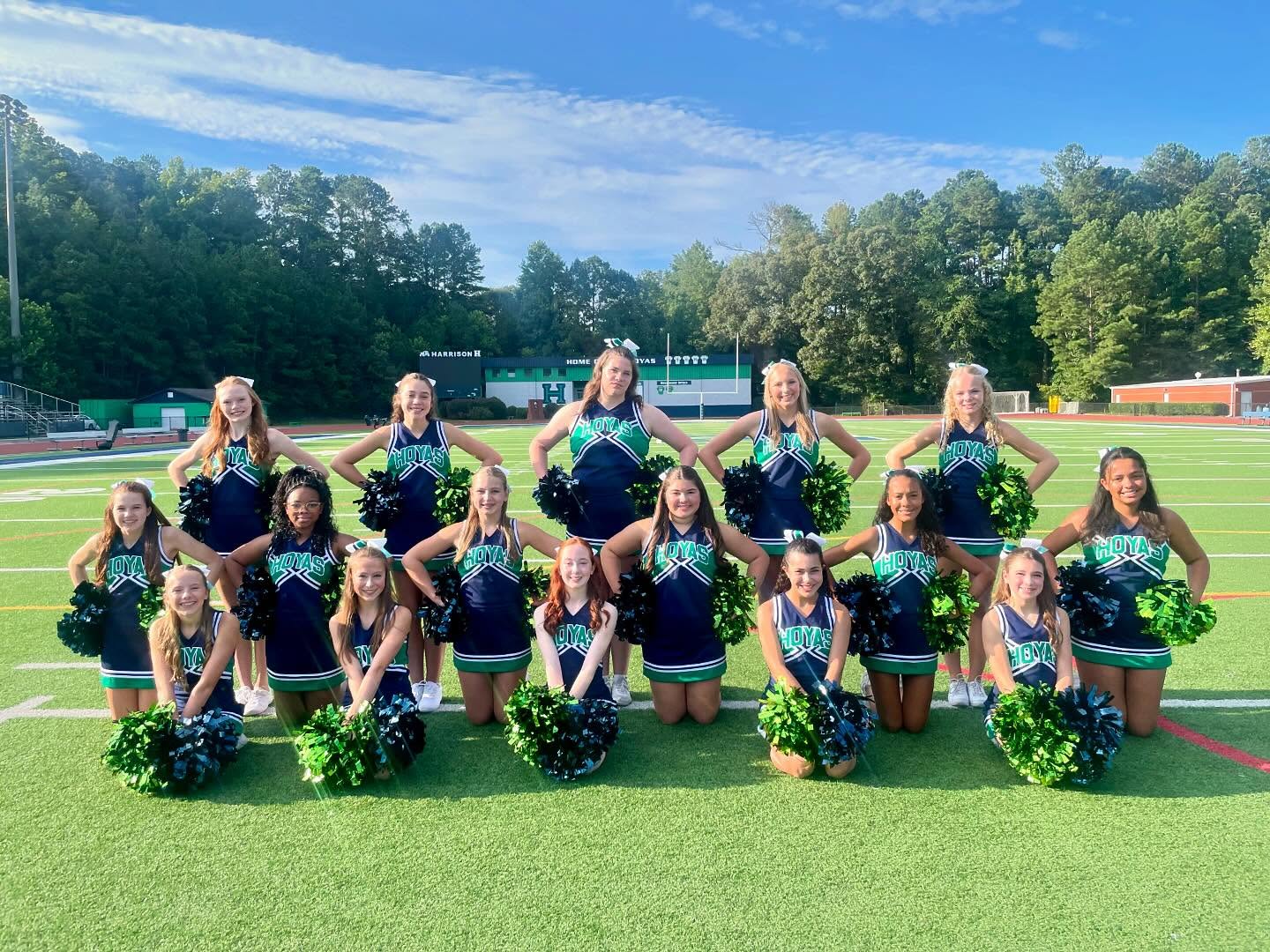
Meet the squads
Every team has its own role, rhythm, and game-day energy.
This page helps families quickly understand where their athlete fits, what each team experience feels like, and how the program is organized across sideline and competition cheer.
At a glance
- 6th Grade Sideline
- 7th Grade Sideline
- 8th Grade Sideline
- Competition Teams
As team-specific details get finalized, this page can expand with coach info, photos, expectations, and season-specific notes.
How the program is structured
Harrison Junior Hoya Cheer includes multiple team experiences so athletes and families can clearly understand what to expect during the season. Grade-level sideline teams support school spirit and game-day energy, while competition teams follow a more performance-focused track with their own preparation rhythm.
6th Grade Sideline
Learn the basics. Build confidence. Bring the spirit.
For many athletes, this is the start of the Jr Hoya cheer journey — a season centered on sideline fundamentals, teamwork, spirit, and learning how game-day routines come together.
- Introduction to motions, chants, and game-day flow
- Strong focus on teamwork and confidence
- A welcoming entry point for new cheer families
7th Grade Sideline
More polish, more leadership, more sideline presence.
Seventh grade builds on the earlier foundation with sharper execution, stronger confidence, and a bigger role in creating team spirit at games and school events.
- Refined motions and stronger performance habits
- Growing leadership and consistency
- More game-day confidence and team chemistry
8th Grade Sideline
Veteran spirit, visible leadership, and a confident finish.
Eighth grade athletes bring maturity and leadership to the sideline, helping set the tone for the program while preparing for the next step in their cheer journey.
- Experienced sideline leadership
- Strong school-spirit presence at games
- A meaningful bridge toward high school cheer
Competition Teams
Focused practices, performance goals, and big-event energy.
The competition side of the program highlights routine work, choreography, precision, and performance preparation — a different pace with its own schedule, milestones, and expectations.
- Routine-based preparation
- Extra practices, showcases, and event planning
- Performance-focused team culture
What families usually want to know
Schedules
Each team can use the master calendar to see relevant events, practices, and important dates.
Season focus
Sideline and competition tracks can have clearly different practice rhythms and expectations.
Forms & documents
Required packets, forms, and checklists can live in one predictable place for families.
Communication
Families should always be able to see where updates are posted and who to contact.